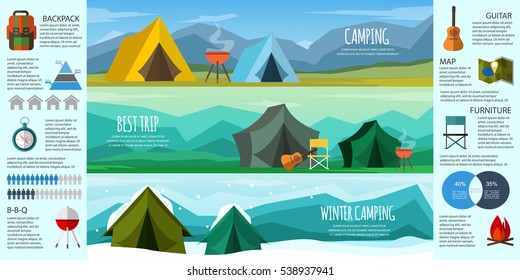
Marketing In A Competitive Environment When You Sell Camping Tents
Best Heating Systems for Nomadic Housing
Whether you're living full time in a van, a skoolie, a tiny house on wheels, or a RV, one point rapidly becomes clear: remaining cozy on the road is a difficulty that requires wise, versatile solutions. Unlike traditional homes with built-in cooling and heating systems, nomadic real estate requires heating options that are small, energy-efficient, and reputable across a vast array of environments. Here's a breakdown of the most effective furnace for life on the move.
Why Heating Matters Much More in Nomadic Living
Nomadic homes are normally small and inadequately shielded compared to long-term frameworks. They're also subjected to swiftly transforming settings-- you could be parked in a sun-drenched desert one week and a snow-covered mountain pass the next. A heating unit that functions well in your setup can imply the difference in between a comfortable night's rest and a miserable, freezing early morning. Weight, gas availability, security, and power draw all factor heavily into the decision.
Top Home Heating Equipments for Nomads
1. Diesel Air Heaters (Chinese Diesel Heating Units)
Diesel air heating systems-- commonly marketed under trademark name like Vevor, Autoterm, or the widely known Webasto-- have actually ended up being the go-to selection for van lifers and overlanders worldwide. They burn gasoline to produce warm air, which is then distributed through the space by means of a ducting system.
These heaters are incredibly fuel-efficient, burning as low as 0.1 to 0.5 liters per hour depending on the warm setup. They run silently, need very little electrical draw (usually 10-- 30W throughout procedure), and can keep a small space toasty even in ice-cold temperature levels. The economical Chinese versions cost between $100--$200, making them accessible to budget-conscious wanderers, while exceptional European brands offer exceptional reliability for a higher rate.
The primary considerations are proper installment-- consisting of risk-free exhaust routing-- and the demand to carry diesel fuel, which is typically easy to source across the majority of areas.
2. Gas Heating systems
Gas heating systems are one more extremely popular choice, especially for RV residents and those who already make use of gas for food preparation. Vented propane heating systems like those from Dickinson Marine or the Mr. Heating system Friend series deal trusted heat with a familiar fuel source.
The vital difference right here is vented versus unvented. Unvented gas heating units produce dampness and carbon monoxide gas as byproducts, making them ideal just for short-term usage with appropriate air flow. Aired vent propane heating units, on the other hand, exhaust burning gases outdoors and are much more secure for overnight use. Lp is extensively readily available, burns easily, and delivers immediate warmth-- making it a sensible choice for nomads crossing diverse climates.
3. Wood-Burning Stoves
For those staying in tiny houses on wheels or larger skoolies, a little wood-burning oven can be both a useful heater and a gorgeous aesthetic centerpiece. Brands like Cubic Mini Wood Stoves and Dwarf Stoves manufacture small systems especially made for tiny mobile rooms.
Wood stoves give induction heat, which warms up things and yurts tents individuals straight rather than just the air. They're off-grid friendly and free you from dependence on purchased fuel if you're camping in forested areas. Nevertheless, they need an appropriate smokeshaft setup, routine maintenance, and a supply of dry firewood-- which isn't always functional for city wanderers or those regularly on the move.
4. Electric Heating Systems
Electric heaters-- including ceramic space heaters, infrared panels, and hydronic systems-- are clean, very easy to install, and generate no burning gases. For nomads with access to shore power at motor home parks or those running durable solar and battery systems, electrical home heating can be a hassle-free option.
Infrared panel heaters are particularly well-suited for tiny rooms, as they heat things and owners directly without cycling air. Nevertheless, electrical heating is power-hungry, and running it solely on batteries or solar isn't functional in a lot of cold-weather situations without a very substantial power arrangement.
5. Hydronic Diesel Heaters
An action above air heaters, hydronic diesel systems warm a liquid (usually water or coolant) that then flows with radiators or underfloor heating panels. Brand names like Webasto and Eberspächer supply these for bigger builds. They offer even, comfy warmth and can likewise heat residential water-- an authentic luxury for nomadic life. The compromise is greater cost and even more complicated setup.
Choosing the Right System for Your Build
The most effective heater eventually depends on your gear size, travel design, fuel accessibility, and budget plan. Diesel air heaters win for versatility and performance in vans and little builds. Propane systems match recreational vehicle occupants currently on gas. Wood stoves attract off-grid romantics in bigger mobile homes. And electric systems make sense when power is bountiful.
Whatever you choose, buy great insulation first-- no heating system makes up for a badly insulated construct. Remain warm, remain secure, and keep discovering.